|
|
| Useful information |
|
|
| |
|
SOLIDARY
We collaborated with the 2% of the investments in Obra Social.

|
|
 |
 |
|
"Select lodgings for excellent holidays."
|
|
 |
 |
|
| |
|
|
|
|
|
|
|
More photos,
click  |
| |
|
|
|
|
| Local
information |

Spain

Catalonia

Barcelona

Sitges

Cubelles / Vilanova i la
Geltrú.

Calafell

Tarragona
|
| |
| |
|
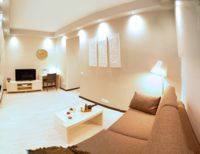
We stand out of this house:
- Nice,
comfortable
and
quiet
Apartment
70m2
-
Satellite
TV,
internet
connection.
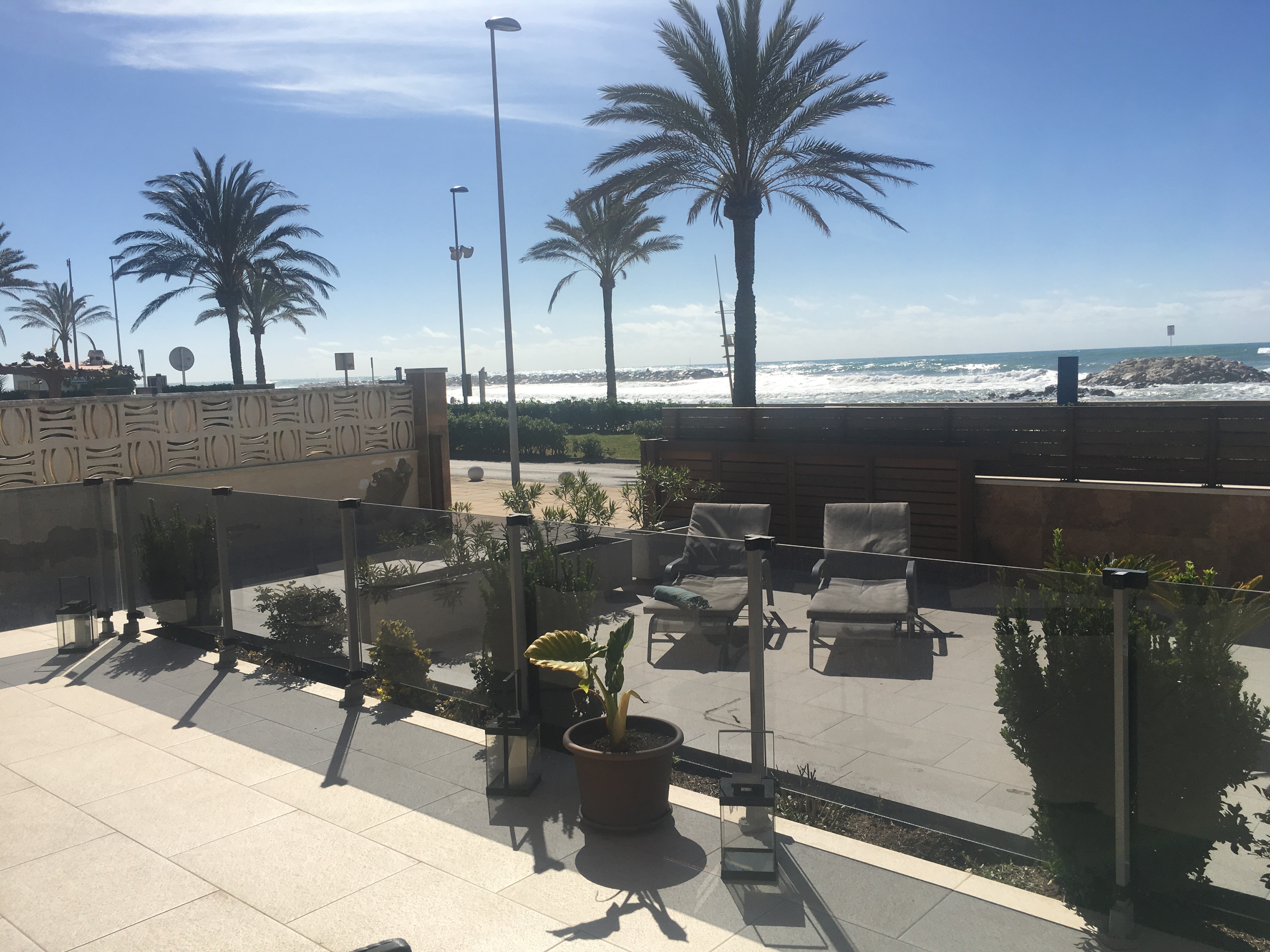
- Located
in
Sitges
centre
!!
-
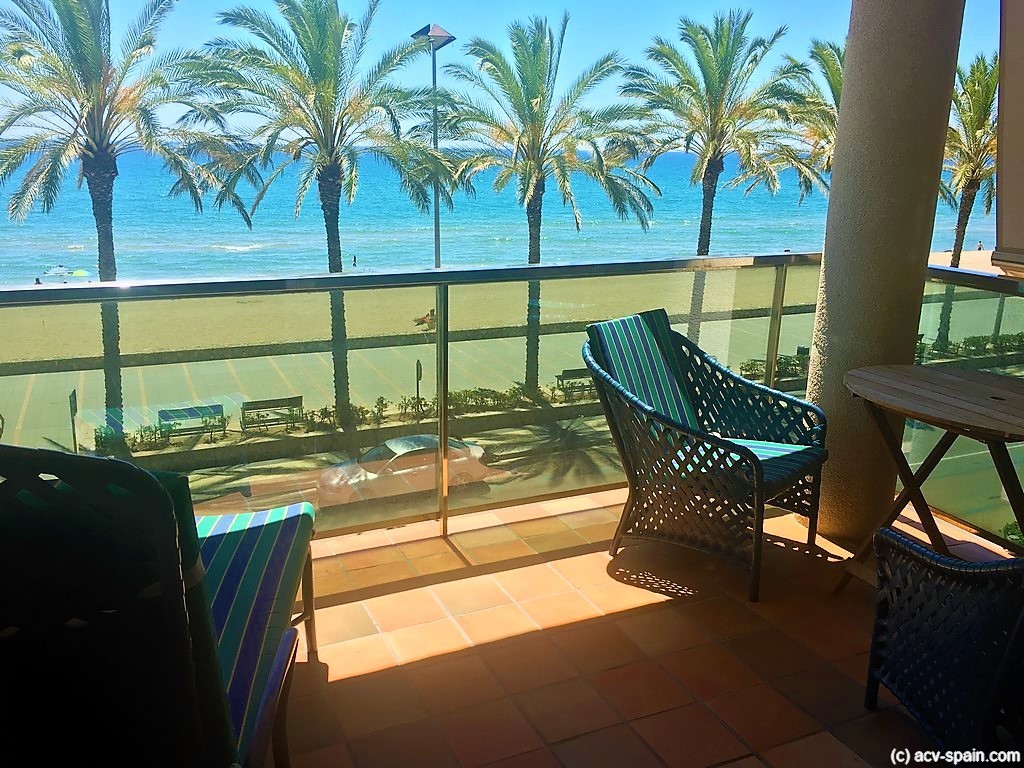
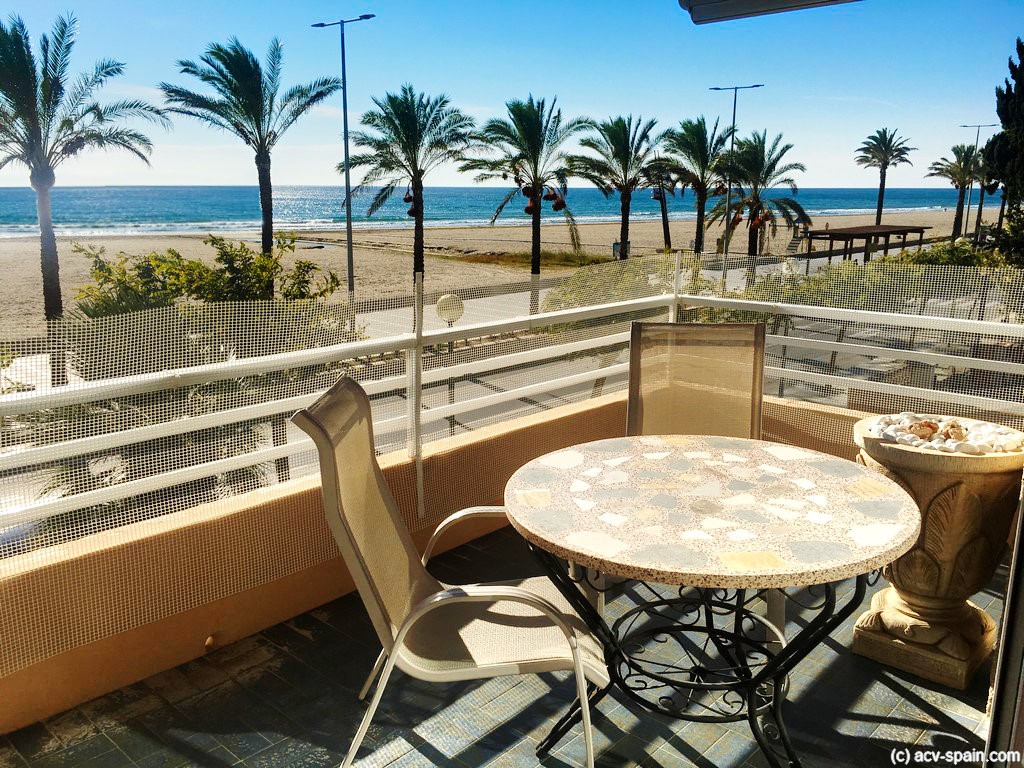
Sand Beach
from 1
minute walking
!!.
-
Barcelona
located
to 15
minutes
by car.
-
The
Barcelona
prat-airport
Located
to 10
minutes
by car.
-
Train
station
located
to 3
minutes
walk.
-
First
class
accommodation.
-
Is
not
necessary
rent a
car.
-
More photos,
click

Skype me free !
|
| El alojamiento |
| Reference |
0887021 |
| Type of lodging
|
Apartment |
| Category
|
HQH
    (3) |
| Maximum occupancy
|
8 |
| Dimensions |
70 m² |
| rooms |
4 |
| Swimming
pool
|
No |
| Outdoor area |
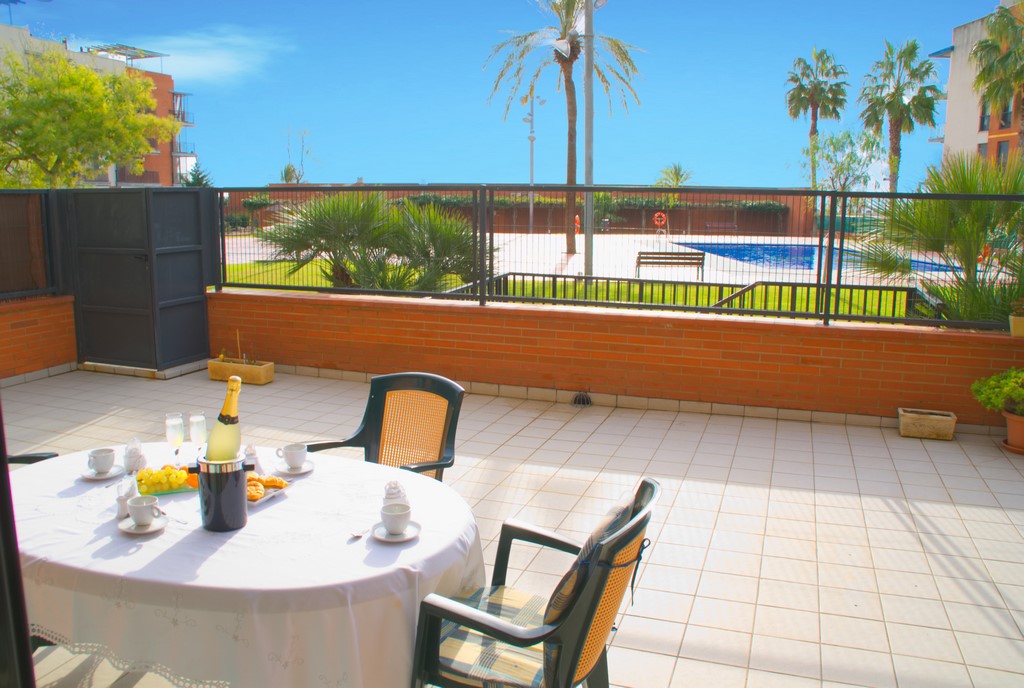
Sitges centre town.
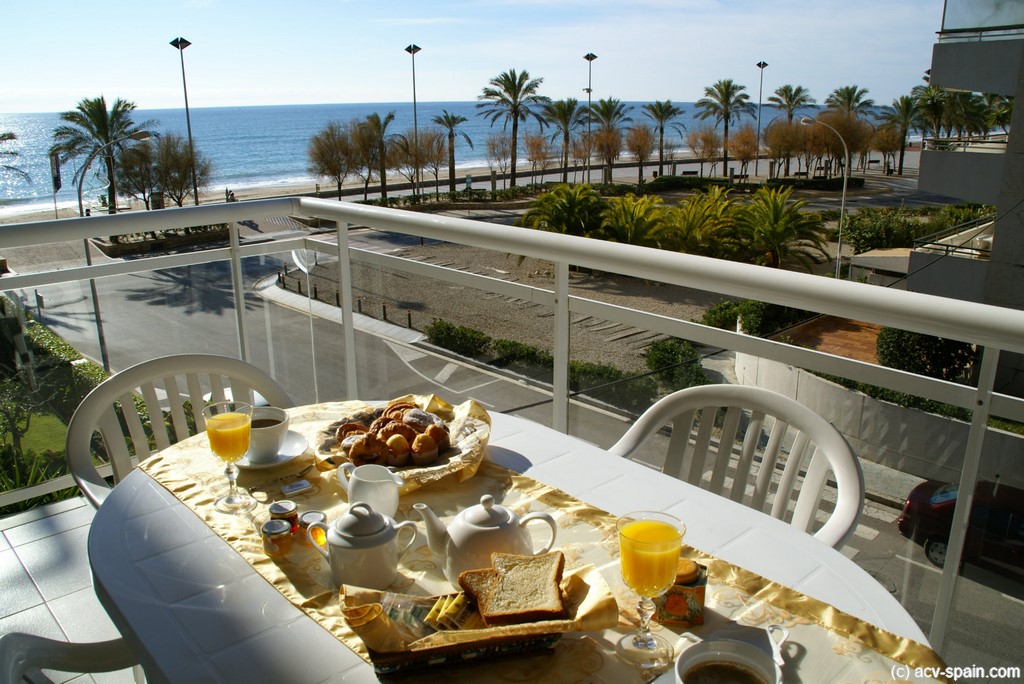
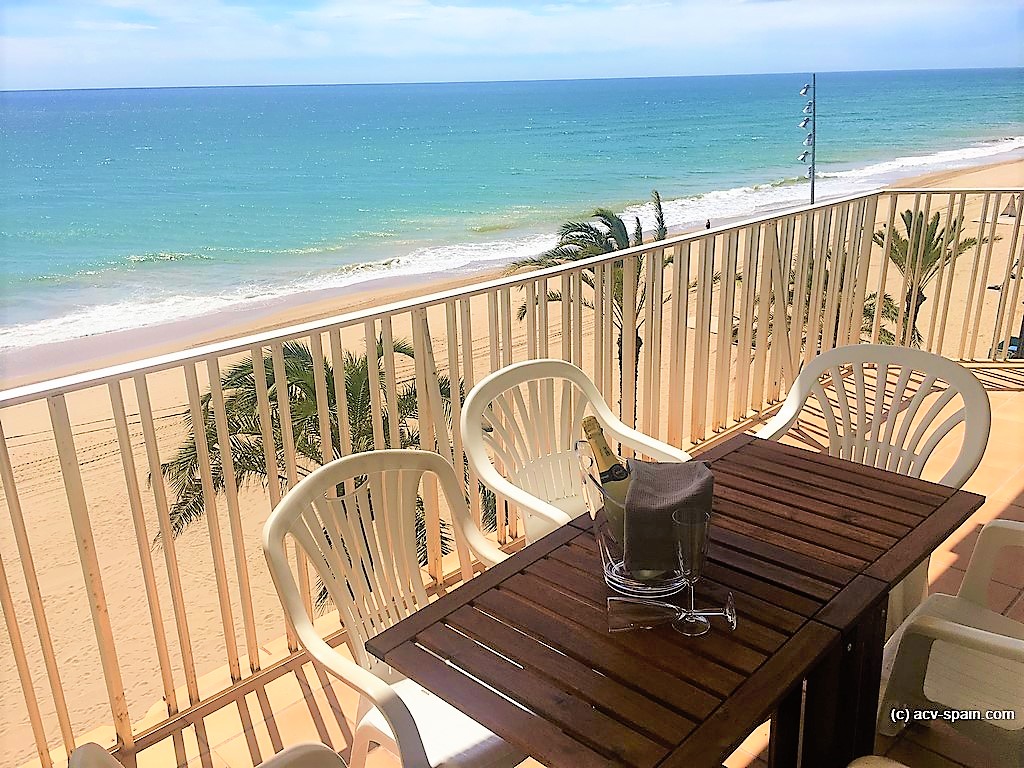
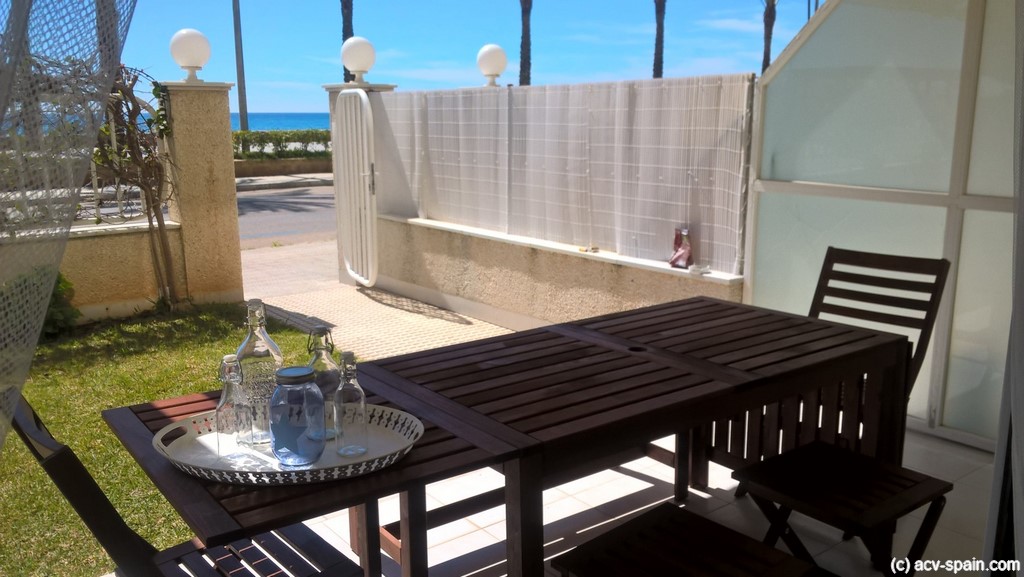
Terrace with
outdoor
table and chairs |
| Near golf course |
YES,
15' Golf Terramar
(Sitges).
15' Pitch & Putt Golf Portal del Roc.
(Vilanova i
la Geltru)
15' Pitch & Putt Centre de Golf El Vendrell.
(Vendrell)
10' Club de Golf La Graiera
(Calafell) |
| Near the beach |
YES, from
2 min. |
| Near ski tracks |
No |
| Bedrooms
|
1
room with 1
double bed
1 room with 1
x 2 bunk
beds.
1
room with 1
single pullout bed. |
| Auxiliary bed
|
(consult) |
| Bathrooms |
1 |
| Kitchen equip: |
Oven, microwaves, toasting,
coffee machine, teapot, freezer... etc |
| General equip: |
Washing machine, iron, iron table, hair dryer,
tumble dryer |
| Parking |
YES |
| Cot
|
(consult)
|
| Personal Computer |
No |
| Internet Connection: |
YES |
| Office table
|
YES |
| Allowed Pets
|
YES
(consult) |
| Views |
|
| Appropriate for
wheelchair
|
No |
| Bed linen and Towels |
Included |
| Final cleaning |
Included |
| Air conditioning |
Air conditioning and gas
heating |
| Multimedia equip |
TV, DVD, Hi-Fi stereo, Satellite |
| Open fireplace |
No |
| Barbecue |
No |
| Others |
Elevator |
| Towns of interest nearby: |
Barcelona from
20 minutes.
Tarragona
from 40 minutes.
Vilanova
i La Gentru
from 10 min. |
|

Calendar, prices and Bookings, click
|
| Evaluation
(made by ACV-Spain) |
| Location |
    (5/5)
|
| Outside area |
    (4/5)
|
| Furniture
|
    (4/5)
|
| Tranquillity
|
    (4/5)
|
| Kitchen
|
    (3/5)
|
| Activities |
    (5/5)
|
| Opinion of the customers |
    (5/5)
|
|
Description of the lodging
|
|
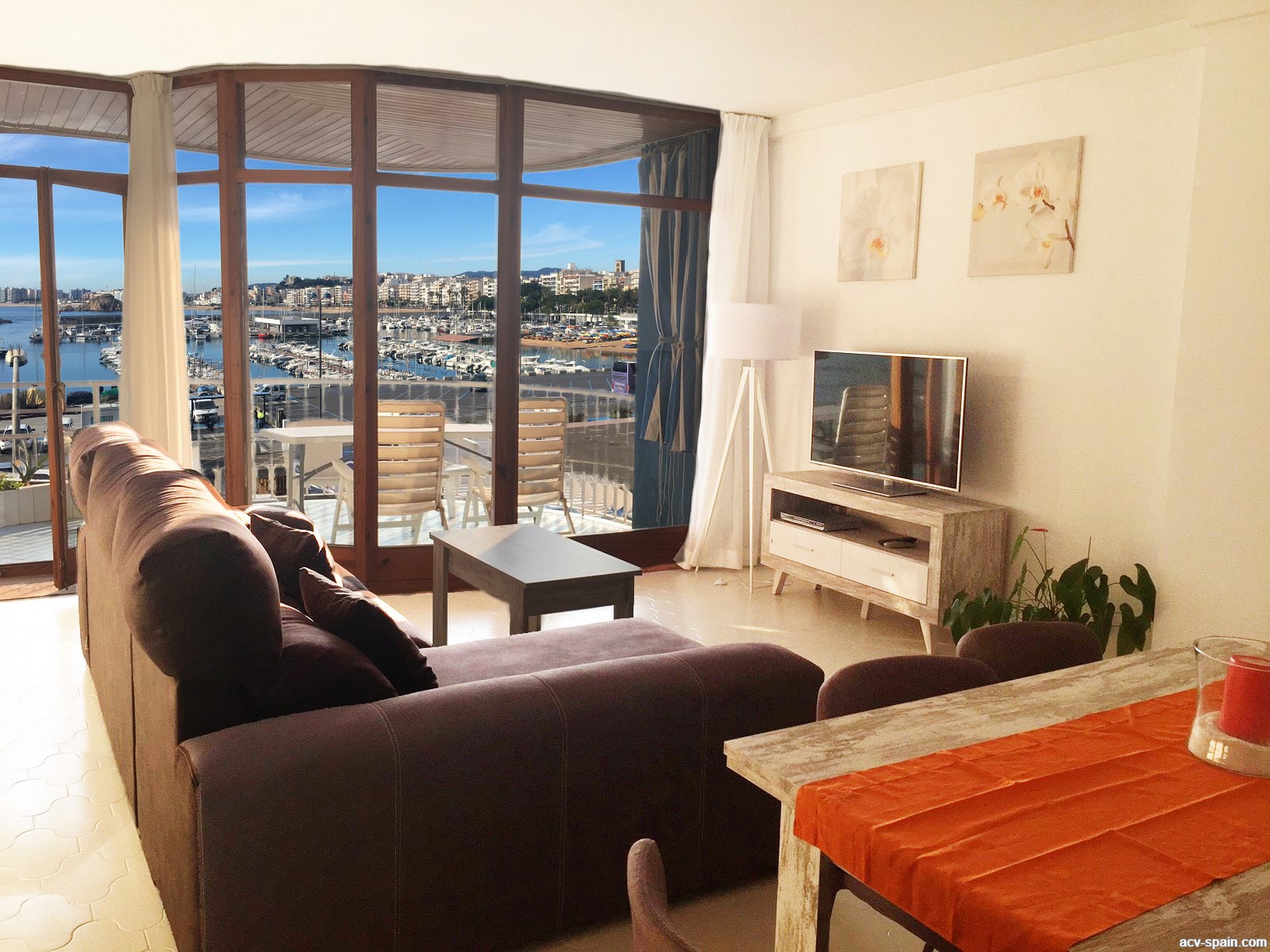
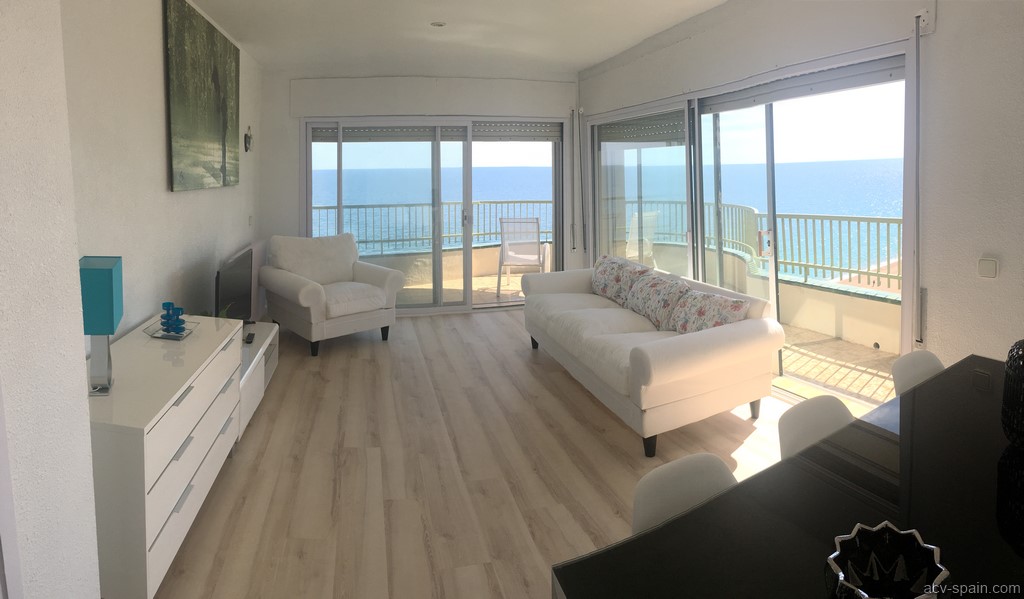
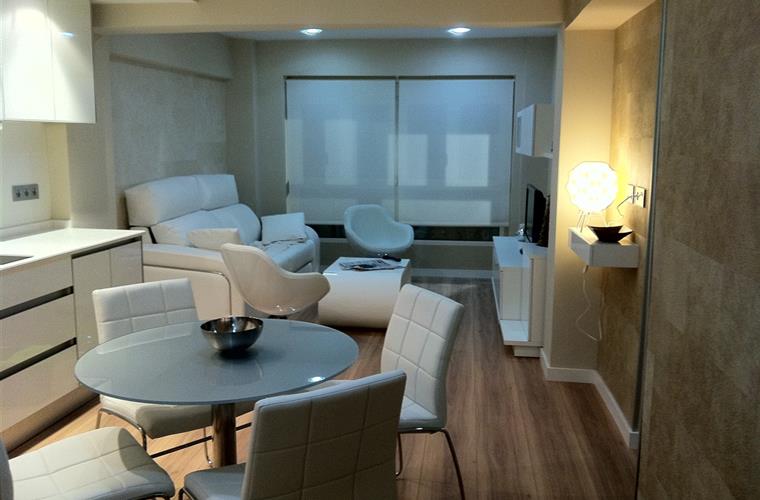
Lovely
Apartment 70
m2 in Sitges
centre. 3
rooms, 1
bath room,
terrace.
Located in
España
Square, in
the centre
of Sitges.
beach
located in 1
minute walk.
Barcelona
located to
15 minutes
by car, and
the airport
Located to
10 minutes
by car.
Train
station
locate d to
3 minutes
walk. First
class
accommodation.
Is not
necessary
rent a car. |
| Routes of Communication |
Airport: Barcelona |
20
minutes (by car) |
Airport: Reus |
52 minutes (by car) |
Airport: Gerona |
1h40m
(by car) |
motorway, highway |
C-32, Exit
Sitges |
Train |
Barcelona
+ Rodalies:
Sitges |
Boat |
Barcelona
/ Sitges / Vilanova i la Geltrú / Tarragona |
Subway-underground
/ Bus |
|
| |
|
|
Extra services |
-
Telephone attention before and during the stay.
- In case you need something on arrival (some surprise for your companion,
information...).
|
|
Activities in the zone
|
|
Golf, tennis, fishes, Sportive Port, watersports (Windsurfing, sailing, scuba
...), strolls with horse, strolls with bike, restaurants of "Tapas"
(eating
dinner),
Musical
restaurants,
Discotheques
(Music
Clubs),
Bars,
museum,
thematic
park (Universal Port
Aventura).
Winery of
wine and
cava.
Spa
Thalasso
Spa Ra Visits: Barcelona (Constructions of Gaudí, painting of Miró…), Tarragona (Roman constructions…)
SITGES
Is a small
city about
40
kilometers
south west
of Barcelona
renowned
worldwide
for its Film
Festival and
Carnival.
Between the
hills and
the sea, it
is known for
its
much-frequented
beaches,
nightspots,
and
historical
sites.
Sitges,
SpainWhile
the roots of
Sitges artsy
reputation
date back to
the late
19th
century,
when Catalan
painter
Santiago
Rusinol took
up residence
there during
the summer,
the town
really came
into its own
during the
1960s, when
it was the
only center
for the
counterculture
on the
mainland of
Spain (then
still under
the
dictatorship
of Francisco
Franco), and
became known
as a sort of
"Ibiza in
miniature".
Today,
Sitges can
be
considered a
dynamic
cultural
oasis,
basing its
economy on
tourism and
culture. The
firm
commitment
for quality
infrastructures
has
converted
Sitges into
a
first-class
destination
in terms of
tourism of
congresses,
conferences,
seminars and
company
meetings in
the
Mediterranean
area.
Sitges is
very
international.
Almost 35%
of the ca.
30.000
inhabitants
are from
Holland,
England,
France and
Scandinavia
whose
children can
attend the
international
school.
-The
Carnival-
For over 100
years,
Sitges has
been
celebrating
nonstop
–between the
months of
February and
March,
according to
the
liturgical
calendar-
Carnestoltes,
or Carnival.
The
festivities
begin on
Dijous Gras,
or Fatty
Thursday,
with the
arribo, King
Carnestoltes’
spectacular
arrival.
From the
moment this
character
appears
until the
burial of
the sardine
– late
afternoon on
Ash
Wednesday –
you could
well say
that life in
Sitges moves
to a new
beat.
Here there
is even room
for
youngsters
to step into
the
limelight
with
children’s
ruas, or
Carnival
parades, on
Sunday and
Tuesday
afternoon.
Folk dances
and
xatonades
(traditional
local salad
served with
assorted
omelets) are
also
characteristic
carnival
elements.
The two most
important
moments are
the Rua de
la Disbauxa,
or the
Debauchery
Parade, on
Sunday night
and the Rua
de
l‘Extermini,
or
Extermination
Parade, on
Tuesday
night. Some
forty-odd
floats with
more than
2.000
participants
leave a
jam-packed
Sitges
completely
breathless.
-Culture-
Modern
Sitges,
preserving
important
references
from the
Middle Age
and the old
farmers’ and
fishermen’s
town, offers
visitors an
impressive
architectural
and cultural
heritage,
the result
of
initiatives
by artists,
cultural
energizers
and patrons
like
Santiago
Rusiñol,
Ramon Casas,
Miquel
Utrillo or
Charles
Deering.
Thanks to
them, Sitges
was a
reference
point for
writers,
musicians
and other
intellectuals
and became
an important
center for
disseminating
Modernism
and the "Americanos",
who, after
returning
with their
"fortune"
from their
American
adventure,
commissioned
large
mansions
from
Modernist
and
Noucentista
(post Art
Nouveau)
architects.
17th century
seaside
church of
Sant
Bartolomeu I
Santa
Tecla The
museums,
guided tours
or walks
around the
old quarter
allow us to
visit and
relive this
important
legacy. This
creative
impetus has
made it
possible to
create new
projects
like The
International
Barcelona-Sitges
Vintage Car
Rally, the
International
Film
Festival,
the
International
Jazz
Festival or
the Summer
Concerts
Series.
-Museums-
Cau Ferrat
Museum : Cau
Ferrat was
the
house-cum-studio
of artist
and writer
Santiago
Rusiñol ( b.
Barcelona
1861; d.
Aranjuez
1931 ), one
of the
leading
figures of
Catalan
Modernisme.
Maricel
Museum : The
American
Charles
Deering
(1852-1927)
had the
Palau
Maricel
built to
house his
art
collection
in an
attempt to
copy the
precedent
set by Cau
Ferrat. In
1921 Deering
returned to
the U.S. and
the palace
was emptied.
In 1969
however, the
building
regained the
use to which
it had
seemed
destined
since its
creation, by
welcoming a
major
private
collection,
a donation
by Dr. Pérez
Rosales,
mostly
dedicated to
medieval
art.
Museu
Romàntic
"Can Llopis":
The Museu
Romàntic
"Can Llopis"
is a
perfectly
preserved
19th century
house which
allows us to
take a
closer look
at the
lifestyle of
a family of
Catalan
householders
who lived
their
splendour
during the
years of
Romanticism.
It was built
at the end
of the 18th
century in a
neo-classical
style with
sober,
elegant
lines and
very little
decoration.
Faithful to
the
Mediterranean
tradition,
the house
has a
central
patio with a
staircase
leading to
the main
living
quarters.
The interior
design shows
how tastes
changed from
the time the
building was
built - when
they were
strongly
influence by
aristocratic
styles - to
the triumph
of the forms
of bourgeois
Romanticism.
-Gastronomy-
Xató is
Sitges most
typical
dish. It
appeared in
the press
for the
first time
in a report
about Maundy
Thursday
published in
the local
newspaper
Eco de
Sitges the
16th of
February of
1896. The
report
refers to a
meal that
three days
before had
gathered
together a
selected
group of
Catalan
artists and
intellectuals,
Santiago
Rusiñol,
Miquel
Utrillo,
Gaietà
Buigas and
others. The
name “xató”
comes from
an
expression
pronounced
years before
by Canudas,
a member of
the Rusiñols
group. The
main
ingredients
of xató are
escarole
salad, cod,
tuna,
anchovies
and
arbequine
and black
olives.
However, the
essence of
the dish is
its sauce,
made with
scalded
chillies,
toasted
almonds,
garlic,
olive oil,
salt,
vinegar and
hot peppers.
The complete
xató meal
consists of
some
different
omelettes or
fricandó (a
typical
Catalan hot
meal) and as
a dessert
coca de
llardons
(typical
Catalan
cake, made
from pork
scratchings).
And to drink
a good
bottle of
Penedès
black wine.
Apart from
the xató,
there are
some other
typical
dishes from
Sitgetan
cuisine,
which turn
fish into an
unequivocal
sign of
identity.
Rice in the
Sitgestan
way, stewed
sepia with
potatoes and
all-i-oli
(typical
Catalan
garlic
sauce), bull
de tonyina
(typical
sailors´
dish made
with tuna
fish),
fideuà
(typical
sailors´
dish similar
to paella,
but with
noodles and
seafood) or
stuffed
peppers with
cod. Such
variety
guarantees
the
extraordinary
richness and
singularity
of our
gastronomy.
As for
drinks,
malvasia is
the most
representative
one. We are
talking
about an
oloroso and
delicate
liquor wine,
excellent
for
desserts.
The name
“malvasia”
comes from
the
Peloponnesian
port
Monembasía.
In Sitges,
the Hospital
Sant Joan
Baptista
continues
producing
and
marketing
malvasia
according to
the
traditional
method and
for charity.
The annual
production
is
approximately
of 4.000
bottles
(produced by
the vines
owned by the
Hospital).
The Sitgetan
malvasia is
produced and
matured in
the wine
cellars of
the
Hospital.
-Beaches-
Sitges has
17 sand
beaches.
Four of them
are in the
East: the
first one
called Les
Botigues at
the
beginning of
the coast,
next to the
beachs of
Castelldefels
and the
other three
are
following
the coast of
Garraf (Road
C-31). There
are eleven
urban
beaches and
two in the
west. These
last two
have
difficult
access. The
last one
(Playa del
Muerto) is
the gay
beach.
The main
beach in
May, in the
background
the church
of Sant
Bartolomeu I
Santa Tecla
All the
eastern and
urban
beaches have
access
facilities,
flags
indicating
the state of
the sea and
most of them
have quality
diplomas and
blue flags
awarded by
the European
Union.
|
| |
|
|

Calendar, prices and Bookings, click
|
|
What think,
the
customers,
about our
lodgings |
| Elizabeth W.
(Ireland) |
"He was wonderful, ideal for the vacations of summer" |
| Familia Pengilley (Scotland) amability |
"We passed a fantastic honeymoon in this house and they took care of to us with
much
kindness" |
| Familia Lasserre (France) |
"it is already the second year that we repeated. She is near the beach. And she
has ideal exteriors." |
|
Other information |
|
|
|
|
| |
|
| |
|
| |
|
| |
|
|
|
|

Calendar, prices and Bookings, click
|
|
|
|